Travel Readiness · 2026-10-01
What Happens When Your Travel Plans Suddenly Change
1. When a cancelled connection becomes something more serious
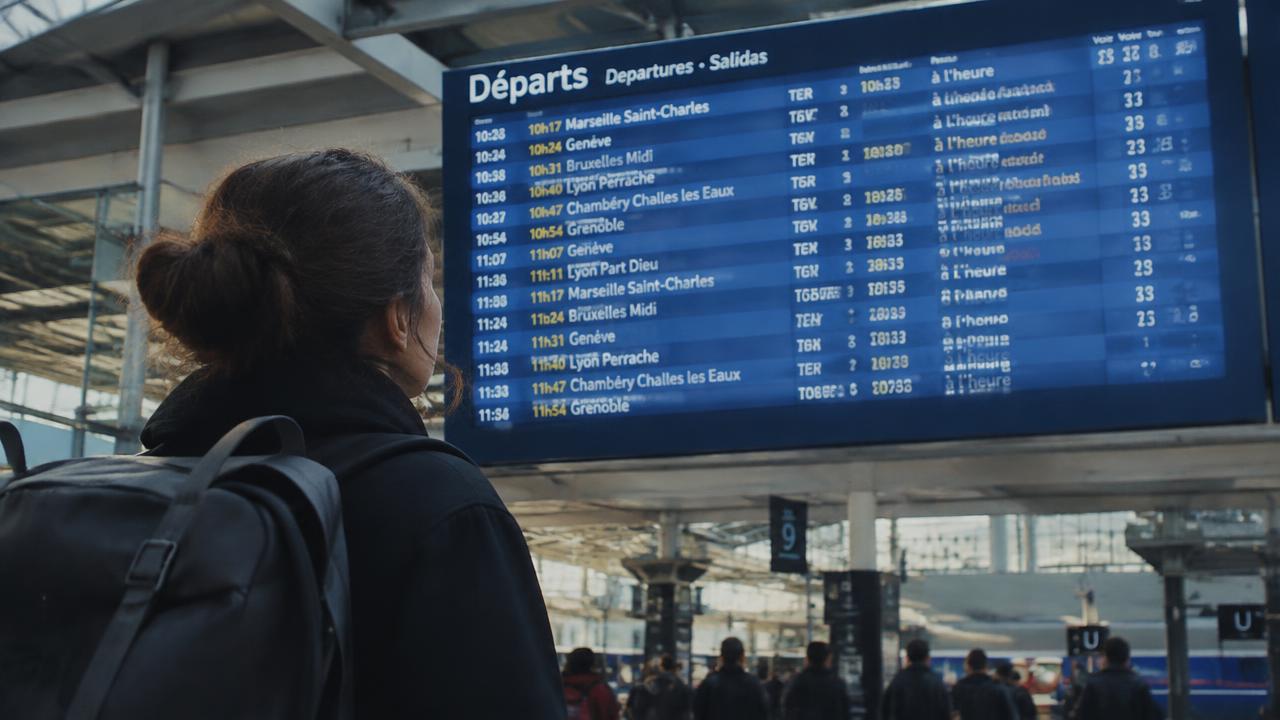
Your connecting flight is cancelled after severe weather closes the airport. The airline offers a departure tomorrow, but the terminal is emptying, nearby hotels are filling, and your checked bag is inaccessible. Your regular medication is in that bag. While you are trying to arrange a room, someone takes your phone.
Now you cannot receive the authentication code for your email. Your hotel address, insurance documents and family contacts are behind accounts you cannot open. Your partner knows your original itinerary, not which airport you are stranded in. The service desk can discuss your ticket, but it cannot reconstruct your medical information or coordinate your personal support network.
This is how a change of plans becomes a readiness problem. No single event has to be extraordinary. A cancellation, a missing bag and a stolen phone can remove several layers of support at once.
The immediate question is no longer simply, “How do I reach my destination?” It becomes, “What needs attention first, who can actually help, and what information can I access right now?” A useful emergency plan answers those questions without depending entirely on the device that just disappeared.
2. Why ordinary travel preparation stops working
Most travel preparation is designed for the expected journey. Reservations confirm where you intend to sleep. Boarding passes support a particular route. A map bookmark points to a place you expect to visit. When the itinerary changes, those materials may still be useful, but they do not necessarily explain your new options.
Digital convenience also creates shared points of failure. Your airline app, bank account, insurance portal and messaging service may all rely on one phone. A dead battery can interrupt access temporarily. Theft, account recovery or locked two-factor authentication can interrupt it much longer. Screenshots stored on the missing device provide no independent backup.
Even when you still have your phone, crowded networks can make a simple search frustrating. Roaming restrictions, throttled data and unavailable charging points add friction precisely when many other travellers are trying to solve the same problem. Carrier access and roaming conditions vary by destination and account (verify before travel).
There is another limitation: your information may be accessible to you but inaccessible to anyone helping you. First responders generally cannot rely on opening a locked phone. A travelling companion may not know your passcode, insurer or emergency contact. A home contact may have your flight number but no idea what to do if you stop responding.
Printed information is not a replacement for digital tools. It is an independent layer. The point is to avoid making every important action depend on the same device, account or network.
3. Four blind spots that make disruption harder
Your revised route may change your entry requirements
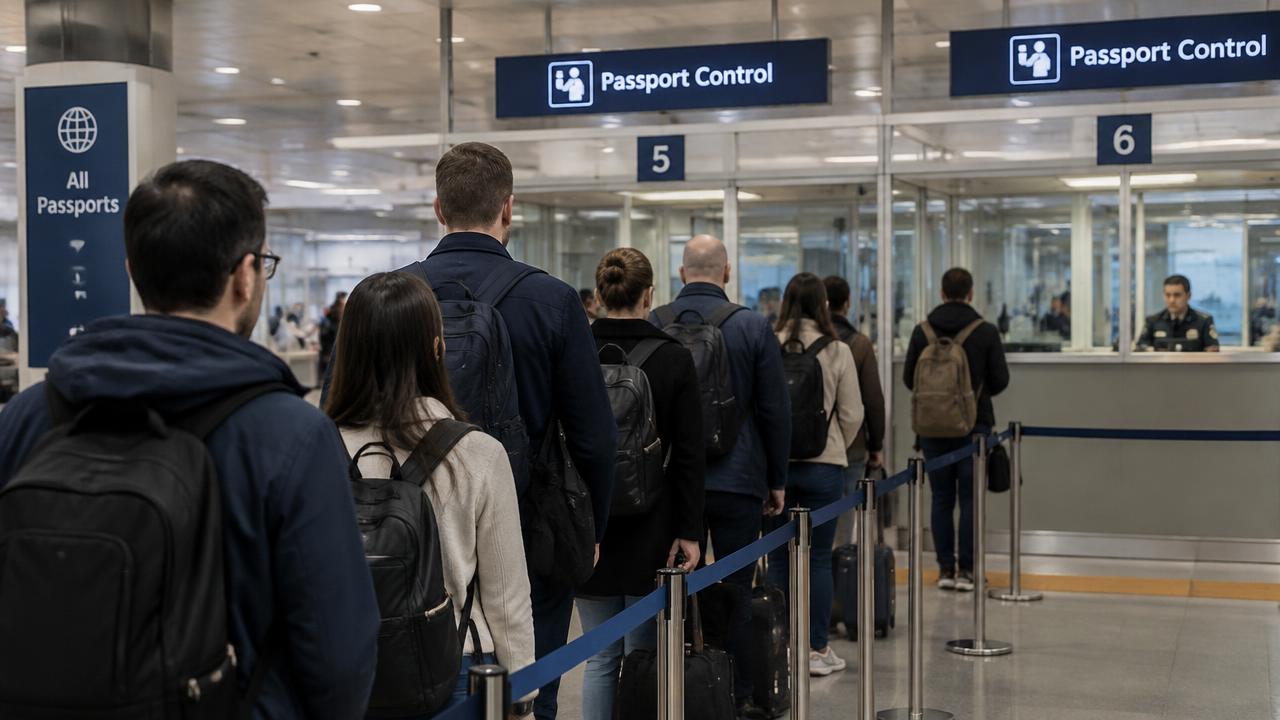
An unexpected overnight connection can involve more than finding a hotel. Leaving the transit area may require permission to enter the country. A replacement flight through another jurisdiction may introduce different document or transit requirements. Airline staff can explain operational options, but eligibility questions should be checked against official immigration guidance for your nationality and route (verify before travel).
Insurance assistance is not the same as local emergency response
An insurer’s assistance team may help coordinate covered services, explain authorisation requirements or discuss claims. It is not a substitute for the local emergency dispatch system. Coverage for delays, replacement transport, medical treatment and additional accommodation depends on your policy and circumstances (verify before travel). Assuming “the insurer will handle everything” can leave a dangerous gap between needing help and reaching the right service.
A consulate is not an emergency travel fund
Consular staff may provide information, assist with certain document problems and help you contact people at home. They generally do not pay your medical bills, settle private expenses or guarantee a replacement flight. Services and eligibility depend on your citizenship and location (verify before travel). Official consular guidance, rather than travel forums, should define your expectations.
Your home contact may have information but little authority
A parent, partner or colleague cannot assume they can change your booking, access an account or receive confidential medical details merely because they know you. Organisations have their own consent and authorisation rules, and legal requirements differ (verify before travel). Prior arrangements matter. So does a communication plan that makes clear who coordinates updates, rather than leaving several worried people making conflicting calls.
These are not reasons to avoid travel. They are reasons to distinguish between people who can offer reassurance, organisations that can provide assistance, and services that can respond to an immediate emergency.
4. What should take priority when the itinerary collapses?
A changed itinerary creates competing demands. The airline wants a rebooking decision. Your employer wants an arrival estimate. Your family wants reassurance. Meanwhile, you may need shelter, access to essential medication or medical attention. Readiness means having a framework for recognising which problem cannot safely wait.
Keep the principles simple:
- Immediate safety comes before travel recovery. A booking problem should not distract from an urgent medical concern or unsafe surroundings.
- Use the organisation responsible for the problem. Local emergency services, transport providers, insurers and consulates have different roles.
- Keep communication coordinated. One agreed primary contact can reduce duplicated work and contradictory updates.
Medical triage abroad generally prioritises clinical urgency, not your flight schedule or insurance status. Access routes, payment arrangements and facility capabilities vary (verify before travel). The nearest clinic may not have the resources needed for a serious condition. Destination-specific facility information belongs in your trip plan, rather than in a generic article that cannot account for where you will actually be.
Government travel registration or alert services can support awareness. Eligible US travellers can consider STEP; other travellers should consult their own government’s equivalent services and official advisories (verify before travel). Registration does not guarantee evacuation, rescue or individual monitoring.
A communication chain also needs more substance than “I will message when I arrive.” Someone should understand what a missed check-in means and when concern should be escalated. The trip-specific check-in protocols and escalation order are part of a personalized plan, not something to improvise while tired in an unfamiliar terminal.
5. Why a do-it-yourself plan is harder than it looks
Making a folder of travel documents is relatively straightforward. Building a usable emergency reference is different. It means identifying the relevant authorities, checking service areas, understanding insurance assistance, evaluating medical facilities and making the information readable to someone who has never seen your itinerary.
A thorough do-it-yourself effort can consume 10+ hours per destination, particularly when your route crosses jurisdictions or includes remote activities. That is not a universal benchmark; it reflects how quickly research expands beyond saving a few numbers. Every additional stop introduces questions about what applies there and whether the source is current.
Search results are not verification. A directory may preserve an old telephone number. A travel blog may describe a facility without establishing its capabilities. A translated page may omit an important service restriction. Even official information can change, so operational details need checking (verify before travel).
Then there is the usability problem. Long notes may make sense to the person who wrote them but be difficult for a companion to interpret under pressure. A document that begins with sightseeing reservations and buries urgent information several pages later is not organised around an emergency. If you are incapacitated, nobody can ask you what an abbreviation means.
A plan also has to account for changes. An extra night, a diverted airport or a new destination may make parts of the original preparation irrelevant. Offline does not mean permanently current: information needs to remain aligned with the actual trip.
Before spending evenings assembling disconnected notes, see the alternative. Ready To Go Global offers personalized, printable emergency plans from a one-time fee of $27, delivered in minutes. Explore what your plan includes and compare a structured offline reference with a folder of bookmarks.
6. A personalized plan that travels beyond your phone
Ready To Go Global is built around a practical distinction: your itinerary describes the intended journey; your emergency plan supports decisions when that journey changes. It brings key information into a personalized format you can print, carry and share with the people supporting your trip.
The plan includes destination-specific emergency contacts, vetted facilities, emergency walkthroughs, check-in protocols and calendar reminders. Instead of expecting you to extract a reliable response from scattered search results, it compiles the relevant information for your exact trip. Current service availability and other changeable details still need confirmation (verify before travel).
The printed pocket carry card provides a compact reference that can speak for you when you cannot communicate. It gives someone assisting you a way to find key information without unlocking your phone or navigating your inbox. It does not confer legal authority or guarantee that every responder will read it; its value is making important information physically accessible.
The longer plan serves a different purpose. It holds the emergency walkthroughs and coordination details that do not belong on a small card. Together, the two formats help separate immediate identification and contact needs from the fuller guidance a traveller or support person may need.
Personalization matters because disruption affects travellers differently. A solo traveller has no companion to explain what happened. A family may need to coordinate several people and separate bookings. A business traveller may need a clear boundary between employer updates and personal emergency communication. Explore planning for solo travel or family trips if those situations fit your journey.
Give your preparation an offline foundation. Review plans starting at $27 before departure. The service does not replace insurance, official advice or emergency responders; it helps make your readiness information usable when ordinary travel tools are unavailable.
7. Frequently asked questions
Is a cancelled flight an emergency?
Usually it is an operational disruption. It can become more serious when it creates exposure to unsafe conditions, separates a dependent traveller from support or interrupts access to essential care. The important distinction is between inconvenience and immediate safety needs, not simply the length of the delay.
Do I need a printed plan if I have travel insurance?
They serve different purposes. Insurance concerns covered risks and assistance under a contract; a plan helps you access information and understand the relevant support channels. Policy benefits, exclusions and authorisation requirements vary (verify before travel). Neither a printed plan nor an insurance card guarantees treatment or reimbursement.
What if my destination changes after I prepare?
Do not assume information for the original destination applies to the new one. A reroute can change immigration requirements, local response systems and available facilities (verify before travel). Ask about your specific situation through Ready To Go Global support, and consult official sources for authoritative entry and travel guidance.
Can I just share my itinerary with someone at home?
Sharing it is useful, but an itinerary describes expected movements. It usually does not explain how to interpret a missed check-in, which organisation has the relevant role or where to find essential emergency information. A personalized plan adds that coordination layer. Visit the service FAQ for more information.

8. Next steps: prepare before the first change
You cannot prevent every cancellation, diversion, blackout or theft. You can avoid making your response depend entirely on a working phone and a stable itinerary. The most useful preparation remains understandable when you are tired, offline or unable to explain it yourself.
Think about whether your current notes would help a companion or home contact without your guidance. If the answer depends on opening your accounts, finding an old message or searching for local services, you still have a readiness gap.
Build your Ready To Go Global plan before departure. Get a personalized, printable emergency plan and pocket carry card from a one-time fee of $27, delivered in minutes. Visit pricing to get started, and give yourself an offline reference for the journey you take—not just the journey you booked.
Get a plan built for your trip.
See plans