Traveler Experience · 2026-10-01
What Happens When You Need Medical Care in Another Country

When the patient cannot explain what happened
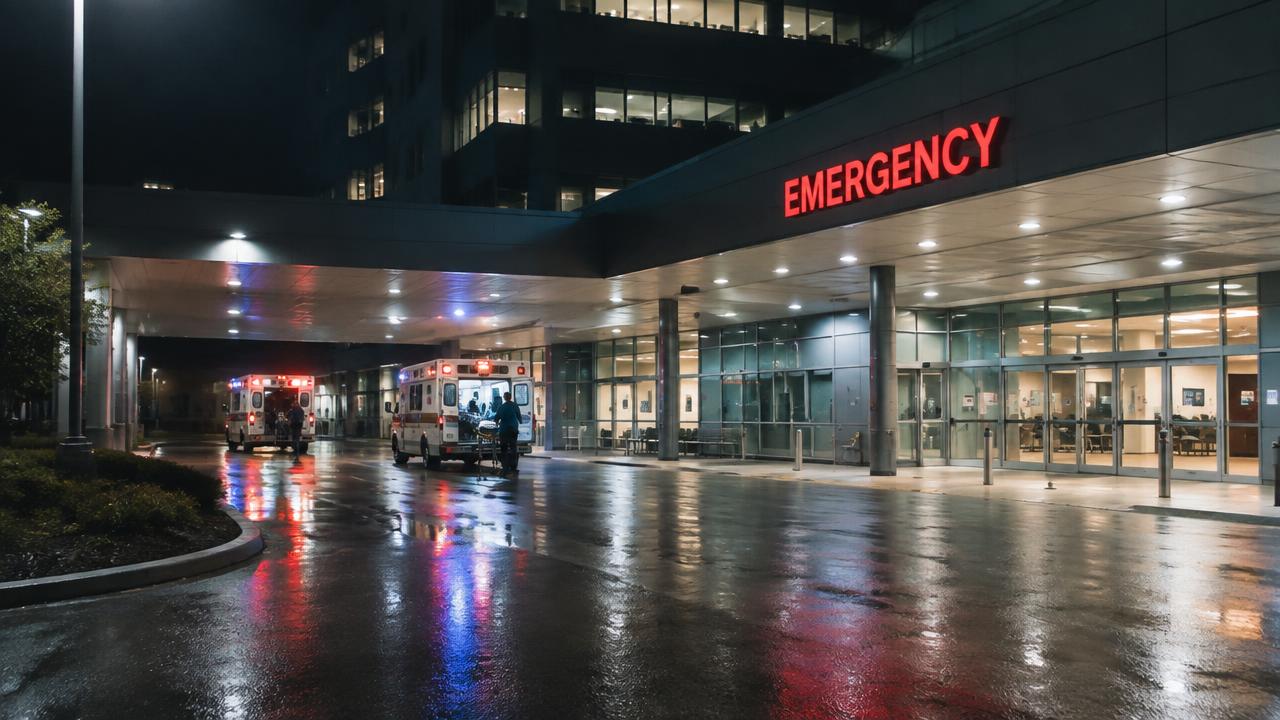
You are travelling alone when you collapse in a hotel lobby. Someone calls for help. Your phone is locked, your insurance details are in an app, and the only person who knows your medical history is asleep several time zones away. At the emergency department, staff begin assessing you, but they do not yet know your allergies, usual medicines or whom to contact.
This is not simply a question of whether another country has good hospitals. It is a question of how information, decisions and payment arrangements move when you cannot manage them yourself. Even excellent clinical care takes place within a local system that may be unfamiliar to you.
If you remain conscious, the difficulties can be less dramatic but still consequential: explaining symptoms through pain, deciding where to seek care, understanding admission paperwork and discovering that your insurance card is not a direct-payment agreement.
What happens next depends on your condition, location, available services and financial arrangements. Preparation cannot promise a particular outcome. It can make essential information easier to find and reduce the number of decisions you or a companion must improvise.
Why ordinary travel preparation may not survive the emergency
Most travellers prepare for a trip they can still control. They save their policy in email, bookmark a hospital and assume they can search for anything else. Those habits are useful during ordinary travel. They become fragile when illness removes the ability to navigate a phone.
A battery runs out during a long transfer. A stolen phone takes both your documents and your authentication method. A roaming connection slows or fails. A hospital has wireless internet, but joining it requires a verification message you cannot receive. None of these problems is unusual enough to dismiss.
A locked screen creates another boundary. Responders generally cannot browse your messages or open your insurance app. Some phones support limited emergency information, but availability depends on device settings and whether anyone checks it. A screenshot is not an offline backup if it remains behind the same locked screen.
Language adds a separate challenge. Being able to order dinner does not mean you can accurately describe a medication reaction, understand consent discussions or explain a complex history. Interpretation services and their availability differ by facility (verify before travel).
The sensible response is redundancy, not abandoning technology. Digital records remain useful, but essential information also needs an accessible, legible offline form. A printed plan and pocket carry card provide another route to that information without depending on your battery, password or mobile network.
Four blind spots that become visible at the hospital
1. Insurance is not the same as local emergency response
Your insurer's assistance team may help with referrals, payment discussions or covered transport, depending on the policy. It is not a substitute for the local emergency service. Calling an insurer does not necessarily dispatch an ambulance. Emergency access arrangements, assistance capabilities and policy requirements must be confirmed separately (verify before travel).
Payment is another distinction. A facility may request payment or a deposit, and direct billing may require an agreement or authorization. Emergency treatment obligations and billing practices vary by jurisdiction and provider (verify before travel). Having insurance does not mean every facility will accept it on the same terms.
2. A consulate is not a medical insurer
Consular staff may provide information about local services, help contact family or assist with certain administrative difficulties. They generally do not pay private medical bills, guarantee treatment or override local law. Available assistance depends on your citizenship and circumstances; your government's official consular guidance is authoritative (verify before travel).
3. Your emergency contact may have no decision-making authority
A person listed as your emergency contact is not automatically authorized to consent to treatment, access every record or direct your affairs. Privacy rules, local law and recognition of authorization documents matter. Prior arrangements may help, but documents valid at home are not necessarily recognized abroad. Seek qualified advice where necessary (verify before travel).
4. The nearest facility may not have the capability you need
A nearby clinic and a hospital with advanced emergency capabilities are not interchangeable. Ambulance access, dispatch arrangements and regional emergency numbers can also differ. Facility capabilities, hours and access arrangements require confirmation (verify before travel). Your plan needs destination-specific contacts and vetted facility information, not an assumption that the first map result can handle every emergency.
How medical care abroad generally unfolds
When you reach emergency care, assessment usually prioritizes clinical urgency rather than arrival order. Staff may assess immediate risks before gathering a complete history. A patient who looks stable may wait while someone with a more urgent condition is treated. Triage methods, access routes and administrative processes vary by country and facility (verify before travel).
Registration and financial questions may occur alongside clinical care. Staff may ask for identification, insurer details and a way to contact someone on your behalf. What happens when these are unavailable depends on local rules and the circumstances. Never assume that a familiar process from home applies elsewhere.
If the facility cannot provide the necessary care, clinicians may consider transfer. A medical transfer, an insurance-approved evacuation and a journey home are different arrangements. Clinical suitability, transport availability, receiving-facility acceptance and coverage can all affect what is possible. Your policy's assistance and evacuation terms need careful review (verify before travel).
Communication works better when responsibilities are clear. The treating team handles clinical decisions within the applicable consent framework. Local responders handle urgent dispatch. An insurer addresses policy assistance and coverage questions. A designated home contact can coordinate family communication without being mistaken for a legal decision-maker.
- Keep urgent local help distinct from insurance and administrative support.
- Make essential health and contact information accessible without your phone.
- Agree on communication responsibilities before anyone is managing a crisis.
Government travel registration can support communication during wider disruptions. For eligible U.S. travellers, STEP provides official updates and helps the embassy contact registrants; other governments offer different services. Eligibility and services should be checked through official government sources (verify before travel). Registration does not dispatch medical help or replace insurance.
Make these roles clear before departure. Explore what your Ready To Go Global plan includes, with trip-specific emergency information and communication arrangements collected in an offline format.
Why a do-it-yourself medical readiness plan becomes difficult
The difficulty is not finding a telephone number. It is determining what that number does, whether it applies to your location and what happens when the first route fails. A tourism page, an old forum post and a facility website can present different information without explaining the discrepancy.
A thorough do-it-yourself effort can consume 10+ hours of research per destination, especially when a trip includes multiple stops, remote activities or particular accessibility needs. That is not a universal time estimate. It reflects how quickly checking facilities, insurance arrangements, communication options and official guidance can become a substantial project.
Even then, research quality is uneven. A hospital's reputation does not establish its current emergency capabilities. An English-language website does not establish around-the-clock interpretation. A saved number does not establish that it reaches the correct department or works from your mobile service. Time-sensitive details need checking (verify before travel).
The next problem is usability. Your notes may make perfect sense to you at home but be difficult for a companion to interpret under stress. Long email threads, unexplained abbreviations and scattered bookmarks require someone to reconstruct your thinking. If you are unconscious, you cannot explain which document is current.
It is possible to prepare independently. The risk is treating a collection of research as a finished emergency plan. A usable plan needs a clear structure, an escalation order, accessible essentials and a maintenance routine. Those requirements make DIY readiness more demanding than simply saving information.
Compare the full task, not just the purchase price. Rather than spending hours assembling and reconciling scattered sources, consider a personalized plan for a one-time fee from $27, delivered in minutes. See Ready To Go Global pricing before your departure schedule gets crowded.
What a personalized, printed plan adds
Ready To Go Global brings the practical parts of travel emergency readiness into a personalized, printable plan. It includes destination-specific emergency contacts, vetted facility information, emergency walkthroughs, check-in protocols, calendar reminders and a pocket carry card. The purpose is to make information usable when normal travel routines stop working.
Trip-specific details belong together. Relevant local contacts, facility options, local-language prompts and escalation order are compiled for your exact trip in your plan, rather than presented as a generic directory. Vetted information supports preparation; it does not guarantee current capacity, admission, treatment quality or insurer acceptance. Operational details can change (verify before travel).
The emergency walkthroughs organize actions that are difficult to improvise under pressure. Check-in protocols establish expectations with people at home. Calendar reminders help keep preparation from becoming a forgotten document created months before departure. Together, these components turn separate facts into an organized reference.
The printed carry card serves a narrower, important purpose: it can speak for you by presenting essential information when you cannot communicate. It is not a consent document, a medical record substitute or a promise that someone will find it. It is an accessible information layer that does not require unlocking your phone.
Solo travellers may have nobody nearby who knows their history. Families may need clearer responsibilities between adults. You can explore readiness considerations for solo travel or family travel. A paid plan complements insurance, clinical advice and official guidance; it does not replace any of them.

Frequently asked questions
Will my travel insurance pay the hospital directly?
Possibly, but direct payment depends on the policy, facility and assistance arrangements. Some situations involve paying first and seeking reimbursement. Coverage, exclusions, authorization requirements and documentation rules should be confirmed with your insurer using the policy wording (verify before travel). Do not interpret an insurance card as a universal payment guarantee.
Should I contact my embassy first if I need urgent care?
For an urgent medical emergency, local emergency services are the appropriate route to immediate assistance, not the embassy. Consular help may become relevant for communication or administrative problems. The correct local access route is destination-specific and is compiled in your plan (verify before travel).
Is keeping my medical information on my phone enough?
It is useful, but it should not be your only accessible copy. A phone can be lost, discharged or locked. Printed essentials provide redundancy, while digital records can hold more detail. Keep sensitive information limited to what is useful, and protect both formats appropriately.
Does a plan replace advice about an existing condition?
No. Discuss travel suitability, medication needs and relevant precautions with your clinician. A readiness plan organizes emergency information and communication; it does not diagnose conditions or provide individualized treatment advice. For questions about the service, visit the Ready To Go Global FAQ.
Next steps: build your plan before departure
Needing medical care abroad does not automatically mean a crisis. Many travellers receive appropriate care and continue their journey. The avoidable difficulty is arriving without accessible information, clear communication responsibilities or a realistic understanding of how local care and insurance interact.
Do not leave that coordination inside a locked phone or an unfinished research folder. Build your Ready To Go Global personalized plan before departure, print it and keep its carry card accessible. Plans start at a one-time fee of $27 and are delivered in minutes. Choose your plan and give your preparation an offline foundation.
Get a plan built for your trip.
See plans