Traveler Experience · 2026-10-01
Lessons From Travelers Who Faced Unexpected Situations

1. The moment an ordinary trip becomes an emergency
Imagine arriving at a busy railway station after an overnight flight. Your next train is canceled. While you study the departure board, someone takes the bag containing your phone and passport. Your hotel address, insurance details, and booking confirmations are on that phone. A borrowed device gets you to your email login, but the security code goes to the number you can no longer access.
Meanwhile, someone at home is waiting for your arrival message. They know your destination, but not which station you reached, where you are staying, or when a missed check-in should become a concern. You still have money and you are not injured. Yet a manageable theft has become a coordination problem involving identity, transport, accommodation, and communication.
This is an illustrative scenario, not a documented traveler testimonial. It captures a practical lesson from unexpected travel situations: the original incident is often only the first problem. The harder part is losing access to the information and people needed to resolve it.
The same pattern can appear during a blackout, an injury on an excursion, or a sudden hospital admission. Preparation is not simply knowing that help exists. It is making essential information usable when your normal tools—and possibly your ability to explain yourself—are unavailable.
2. Why ordinary preparation fails under pressure
Most travelers prepare for the trip they expect to take. They save reservations, photograph documents, download maps, and buy insurance. Those are useful measures. But several often depend on the same device, account, or connection. A phone can become a single point of failure disguised as a collection of backups.
A dead battery makes saved details inaccessible. Theft removes both the device and, potentially, the authentication method protecting your accounts. Congested or throttled networks can make a seemingly simple search difficult. A screenshot may preserve a number without explaining whether it reaches local dispatch, an insurer, or a non-emergency office.
Medical emergencies expose another weakness. An unconscious traveler cannot unlock a phone or explain which relative should receive updates. First responders may be unable to access a locked device. Emergency information features can help, but their availability and accessibility vary by device and settings (verify before travel). They should not be your only information channel.
Language barriers add friction even when the technology works. Reading a translated phrase is different from understanding follow-up questions while frightened, injured, or exhausted. A companion may also struggle to distinguish clinical decisions from payment and insurance administration.
The lesson is not to abandon digital tools. It is to stop treating notes, screenshots, and bookmarks as a complete emergency system. Backups need to survive different failures, not merely exist in different apps.

3. Four blind spots that turn disruption into confusion
Your embassy is not an emergency fund
Travelers sometimes assume their embassy will pay a hospital bill or arrange a flight home at government expense. Consular services generally do not cover medical costs. Depending on nationality and circumstances, officials may explain local processes, assist with replacement travel documents, or help contact relatives. Available assistance and eligibility must be checked with your government's official consular guidance (verify before travel).
Insurance assistance is not the same as local rescue
An insurer's assistance line can support coverage questions and care coordination, but calling it is not necessarily a substitute for requesting local emergency help. Policies differ on authorization, exclusions, payment arrangements, and evacuation decisions (verify before travel). The lesson is to distinguish immediate response from the administrative work that follows, rather than expecting one telephone call to perform every function.
A trusted contact may have limited authority
Your partner or parent may know your medical history but still face privacy restrictions when asking a hospital for updates. Being an emergency contact does not automatically confer legal decision-making authority. Local law, consent, and relevant documentation affect what others can do (verify before travel). Where formal arrangements matter, consult an appropriately qualified professional rather than relying on a travel note.
The right response depends on the actual location
Emergency access can vary across countries, regions, islands, and remote areas. A number found in a general destination article may not describe the appropriate service for your route. Facility capability, opening hours, and access arrangements also matter (verify before travel). Your plan needs destination-specific emergency contacts and suitable facility information, not an assumption that the nearest map result can handle every problem.
4. Understand how help works before you need it
Effective preparation starts with understanding roles. Emergency dispatch, treating clinicians, insurers, consular staff, and home contacts serve different purposes. Confusion arises when a traveler asks one organization to do another's job—or when several companions begin making conflicting calls.
In a medical emergency, triage generally prioritizes patients according to clinical urgency, not arrival order, travel schedules, or insurance status. Local procedures vary (verify before travel). Clinical assessment belongs to local professionals; an emergency plan should support access and communication, not attempt to diagnose a condition or replace their judgment.
Consular assistance is a separate channel. Official government travel advice explains relevant services and limitations. Eligible U.S. travelers can consider the Smart Traveler Enrollment Program, or STEP; travelers of other nationalities should check their government's available registration or alert services (verify before travel). Registration may support information sharing, but it does not guarantee rescue, evacuation, or individual monitoring.
A communication chain of command also matters. Agreeing who coordinates updates reduces duplication and uncertainty. It should not delay urgent local help or imply that a person at home controls clinical decisions.
- Separate immediate local response from insurance and consular support.
- Make essential information accessible without your primary phone.
- Clarify who coordinates communication if you cannot participate.
These principles are straightforward; implementing them for a particular itinerary takes more work. Ready To Go Global turns the trip-specific details into a personalized offline resource. See what your emergency plan includes before deciding whether your current preparation covers the same gaps.
5. Why do-it-yourself readiness breaks down
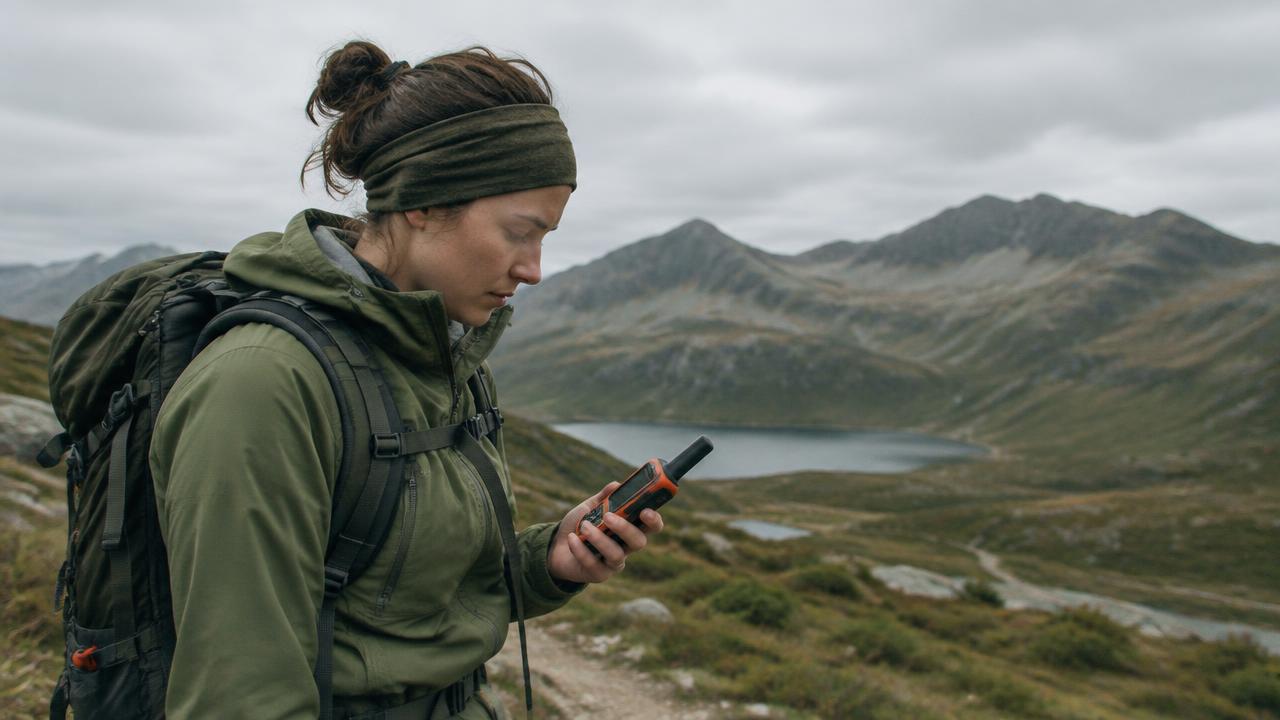
Building a useful plan is not just collecting telephone numbers. It means checking what each service does, whether information comes from an authoritative source, and whether it applies to your exact location. A city break, a cruise stop, and a remote hiking extension create different questions—even within the same country.
Thorough do-it-yourself preparation can consume 10+ hours of research per destination, especially when you compare official guidance, insurance terms, transport dependencies, and facility information. That is a planning burden, not a universal measured average. The challenge is that time spent researching does not automatically make the result reliable.
Search results can lead to old tourism pages, copied directories, or facilities whose advertised services do not match your needs. A number may connect successfully but reach the wrong department. Government notices, local access arrangements, and policy requirements can change (verify before travel). Every uncertain detail creates another verification task.
Then comes the usability problem. A folder full of accurate documents is not necessarily an emergency plan. Can a companion find the relevant information quickly? Would someone unfamiliar with your itinerary understand your abbreviations? Could a clinician identify your contact information without searching through reservations and sightseeing notes?
Incapacitation is the hardest test. A system that depends on your memory and explanations stops functioning when you cannot speak. Printing scattered notes helps with battery failure, but it does not resolve unclear priorities or missing context.
Compare that workload with a one-time Ready To Go Global plan from $27, delivered in minutes. The purchase is not a promise that nothing will go wrong. It is a practical alternative to assembling an emergency document from scattered sources. Review pricing and build your personalized plan while you still have time to review it before departure.
6. A personalized plan designed for the moment you cannot improvise
Ready To Go Global brings essential trip information into a personalized, printable, offline emergency plan. Its purpose is to reduce the gap between having information somewhere and being able to use it during disruption.
Your plan includes destination-specific emergency contacts, vetted facilities, emergency walkthroughs, check-in protocols, calendar reminders, and a printed pocket carry card. Trip-specific details are compiled for your exact itinerary rather than supplied as a generic city directory. Facility availability, service access, and other changeable operational details still require a final check (verify before travel).
The emergency walkthroughs provide structure when stress makes unfamiliar decisions harder. Check-in protocols help distinguish an ordinary delay from a communication failure that deserves attention. Calendar reminders support preparation before departure instead of leaving important arrangements until the airport. These components work together; an isolated contact list cannot perform all those roles.
The carry card is a concise information aid that speaks for you when you cannot. It can help another person identify essential details without unlocking your phone. It is not a legal authorization, medical directive, or guarantee that a responder will find or use it.
Offline access matters, but paper has limits too: it can be lost, damaged, or become outdated. The sensible approach combines a reviewed printed plan with appropriate digital resources and official guidance. Travelers coordinating children or several adults can also explore family travel readiness; those without a companion can review solo traveler planning.

7. Frequently asked questions
Is travel insurance enough?
No. Insurance addresses covered risks according to your policy; it does not automatically make emergency information accessible or tell your family what to do after a missed check-in. Coverage, exclusions, assistance services, and authorization requirements differ (verify before travel). An emergency plan complements insurance rather than replacing it.
Why print anything if I can download it?
Downloaded information remains dependent on a working, accessible device. Printing creates a separate access channel when a battery fails, a phone is stolen, or a companion cannot unlock it. The value is not paper alone: it is having organized, relevant information that someone other than you can understand.
Does a plan replace official travel advice?
No. Government advisories, local authorities, treating professionals, and your insurer remain authoritative within their respective roles. Review official information for current entry, safety, and consular guidance (verify before travel). A personalized plan organizes readiness around your trip; it does not override local instructions or professional advice.
How quickly can I get a Ready To Go Global plan?
Plans start at a one-time fee of $27 and are delivered in minutes. Leave time to review your details, print the materials, and discuss relevant arrangements with your travel companions or home contact. Visit the frequently asked questions page or contact Ready To Go Global for product questions.
8. Next steps: prepare for losing your usual tools
The most useful lesson from unexpected travel situations is that ordinary resources can disappear together. Your phone, login access, documents, and ability to communicate may not remain available when you need them most. Preparation should account for that possibility without assuming every trip will become an emergency.
Ask one question before departure: if you could not open your phone or explain your situation, would another person have enough accessible information to help coordinate the next response? If the answer depends on searching your inbox, guessing passwords, or remembering a conversation, your preparation has an important gap.
Build your Ready To Go Global plan before you leave. Get a personalized, printable emergency plan and pocket carry card from $27, delivered in minutes. Explore what is included, then choose your plan and make offline readiness part of your departure preparations.
Get a plan built for your trip.
See plans