Travel Insights · 2026-10-16
International Business Travel: Preparing Employees for Unexpected Disruptions

1. When a routine business trip stops being routine
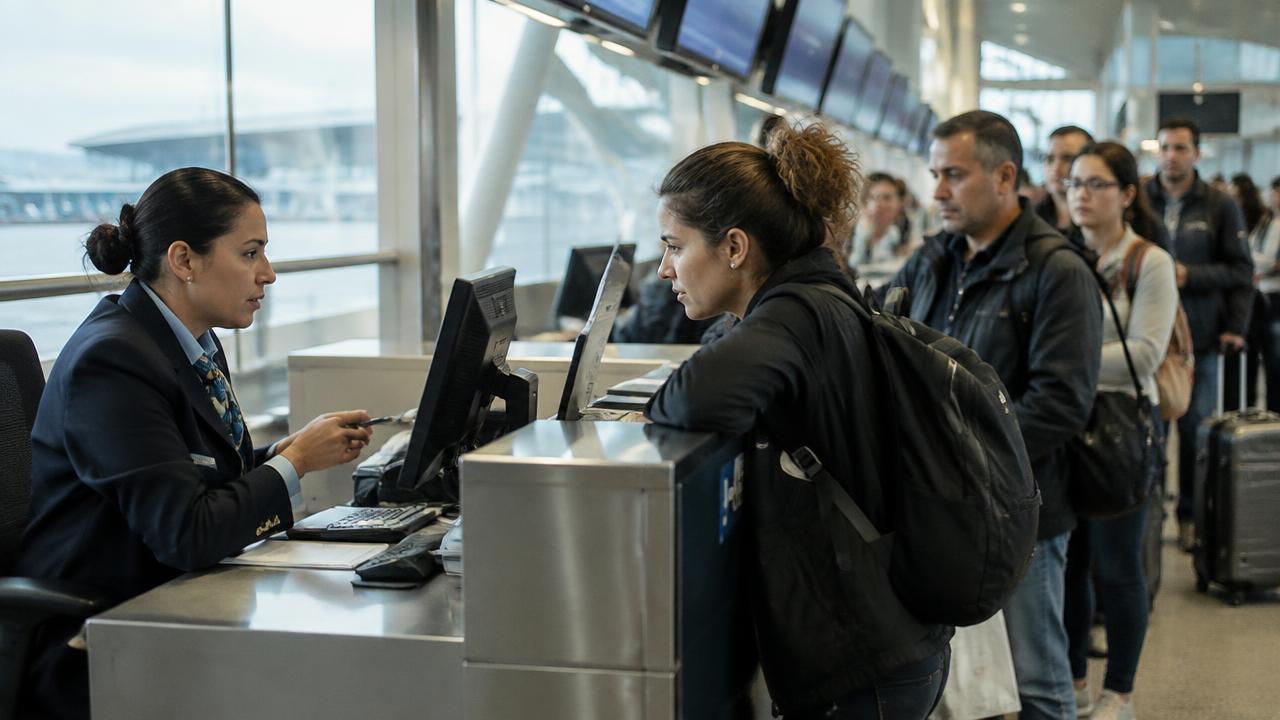
Your employee lands abroad for a client presentation. On the journey to the hotel, their bag is stolen. Inside are their passport, work phone and corporate payment card. Their laptop remains with them, but accessing company systems requires a two-factor authentication code sent to the missing phone.
Then a transport shutdown begins. The employee cannot reach the booked hotel easily, and their manager is asleep several time zones away. The travel booking confirmation contains a reservation support link, but no clear answer to the immediate questions: Who can authorize alternative accommodation? Who is monitoring their welfare? Where is the information they need when company systems are inaccessible?
No single part of this situation is extraordinary. The difficulty is that several ordinary failures have happened together. What appeared to be a well-supported business trip now depends on improvised decisions, borrowed connectivity and colleagues who may not know their responsibilities.
Employers cannot eliminate disruption. They can reduce the dependence on one device, one account or one available manager. Effective preparation starts by treating emergency information as something an employee must be able to use outside the normal corporate environment—not merely something stored inside it.
2. Why ordinary corporate travel preparation fails
Most business travel preparation is designed around successful travel: approved flights, hotel bookings, expense rules and meeting schedules. Emergency preparation has a different purpose. It must remain useful when the employee cannot follow the itinerary, access their accounts or explain what has happened.
A travel app can be valuable until a battery dies. Screenshots can help until the device holding them disappears. Cloud documents may be inaccessible on throttled networks, during a blackout or behind a security challenge. A colleague sending another link has not solved an access problem.
Medical emergencies expose a different weakness. First responders generally cannot rely on opening a locked corporate phone. A manager may know the employee's project responsibilities but not where essential emergency information is held. Language barriers can make even a conscious employee's explanation difficult, particularly when they are frightened, injured or exhausted.
None of this makes digital tools useless. It means they should not be the only route to critical information. A printed, readable offline plan provides a separate access method. A compact carry card can make key information available when the employee cannot communicate, although responders' use of it cannot be guaranteed.
Give employees more than an itinerary. Explore what a Ready To Go Global plan includes and consider how a personalized offline plan would complement your existing booking, insurance and corporate assistance arrangements.
3. Four blind spots employers should address
Insurance is not the same as local emergency response
A policy may provide financial protection and an assistance service, but the insurer is not itself the local emergency dispatch system. Some assistance providers can coordinate care or transport within their service terms; others have narrower roles. Coverage, authorization requirements and assistance capabilities must be confirmed against the actual policy (verify before travel). An employee needs to understand the distinction between obtaining urgent local help and arranging insurance support.
A consulate is not a medical payment service
Employees sometimes assume their embassy will pay hospital bills, arrange immediate evacuation or override local procedures. Consular assistance generally does not include paying private medical expenses or compelling local authorities to act. Services depend on nationality and circumstances (verify before travel). Official government guidance—not workplace assumptions—should establish those limits.
A manager or family member may lack authority
Knowing whom to call does not automatically authorize that person to receive medical information, approve treatment or make legal decisions. Privacy rules, local law and prior arrangements affect what others can do (verify before travel). Employers should distinguish company spending authority from personal decision-making authority and seek qualified advice where formal arrangements are needed.
Emergency access is not uniform across destinations
Dispatch arrangements, language support and the capabilities of nearby facilities can vary by country and region (verify before travel). The hospital nearest a meeting venue is not necessarily appropriate for a serious injury. These are trip-specific questions, not details to settle through a hurried internet search. Destination-specific emergency contacts and vetted facility information belong in the employee's personalized plan, with current details checked before departure.
4. Establish principles before choosing tools
A useful employer framework separates immediate local needs from organizational coordination. During a medical emergency, clinical triage generally prioritizes urgency rather than seniority, meeting commitments or insurance status. Admission, payment and referral processes vary, so authoritative local information and insurer guidance matter (verify before travel). A travel plan supports access to help; it does not replace clinical judgment.
The same distinction applies to consular assistance. Government travel advisories explain destination risks and the assistance available to citizens. Eligible US travellers can consider the Smart Traveler Enrollment Program, known as STEP; other nationalities should consult their government's registration or alert services (verify before travel). Registration can support communication but is not a substitute for local emergency services or an employer response arrangement.
Within the company, concentrate on three principles:
- Clear ownership: Someone should be responsible for coordinating the employer's response, with cover when that person is unavailable.
- Accessible communication: Essential information should remain usable without the employee's usual phone, account or network.
- Defined boundaries: Employees should understand the different roles of local responders, assistance providers, consulates and company representatives.
The detailed communication chain should account for working hours, time zones and handovers. A generic instruction to “call your manager” leaves too much unresolved. The trip-specific escalation order and check-in protocols are plan contents; the employer still needs to approve its internal responsibilities and keep its own contacts current.
Privacy matters throughout. Share sensitive personal information only with appropriate authorization and a defined purpose. Consult your privacy, HR and legal specialists about applicable requirements rather than treating an emergency plan as permission for unrestricted disclosure.
5. Why do-it-yourself readiness breaks down at scale
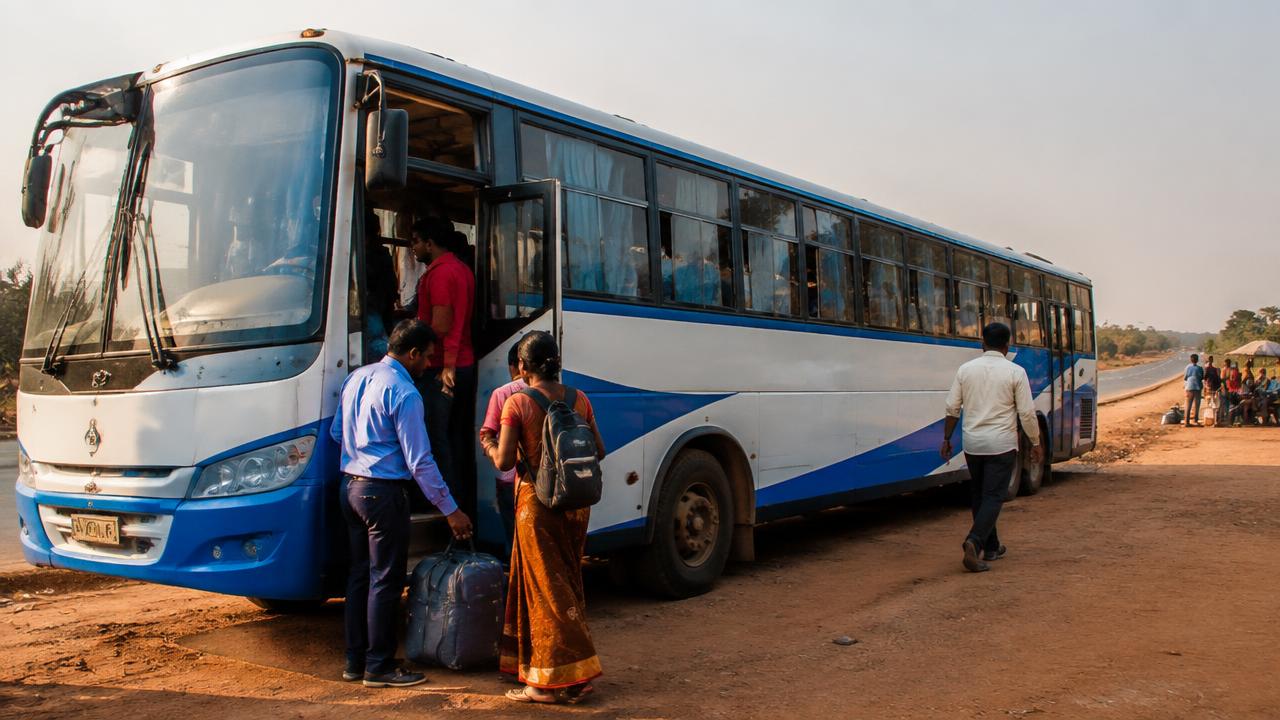
For one familiar destination, collecting emergency information can look manageable. For several employees visiting different cities, it quickly becomes a research and maintenance task. Each itinerary introduces different facilities, transport dependencies, assistance arrangements and practical access questions.
A thorough attempt can consume 10+ hours per destination when it includes checking official sources, comparing relevant facilities, reviewing assistance terms and translating findings into readable instructions. That is a planning burden, not a universal time estimate. Even substantial effort can leave gaps if the person doing the research does not know which distinctions matter.
Search results introduce another problem. An old directory can outrank an official page. A facility's marketing description may not establish whether it can handle a particular emergency. A number copied into last year's travel document may no longer be appropriate. Trip-specific information requires verification, not just collection.
Then comes usability. A long document assembled from bookmarks may contain the answer without making it findable. Notes understandable to their author may be confusing to a colleague, a hotel employee or a responder. If the traveller is incapacitated, explanations stored only in their memory are unavailable.
Maintenance is equally easy to overlook. Internal contacts change, itineraries shift and insurance arrangements renew. Calendar reminders help prompt review, but somebody must still own the updates. Printing an old document does not make its information current.
Compare the work, not just the purchase price. Against a potential 10+ hours of destination research, Ready To Go Global offers a personalized plan from a one-time $27 fee, delivered in minutes. Review pricing to assess the fit for your travellers. The service complements—not replaces—your organization's policies and professional assistance arrangements.
6. Give each employee a plan they can actually access
Ready To Go Global turns travel-readiness information into a personalized, printable offline plan. For employers, the value is not simply having another document. It is giving the traveller a coherent reference that does not depend on successfully logging into corporate systems during a disruption.
The plan includes destination-specific emergency contacts, vetted facility information, emergency walkthroughs, check-in protocols and calendar reminders. These details are compiled for the employee's exact trip rather than handed over as a generic directory. Facility capabilities, access conditions and other changeable details still need checking before departure (verify before travel); vetting is not a promise of availability or treatment.
The printed pocket carry card provides a compact way to communicate essential information when the employee cannot speak for themselves. It is a practical complement to the fuller plan, not a substitute for identification, medical assessment or legally recognized authorization.
For a business traveller, the plan should sit alongside the company's approved support arrangements. The employer remains responsible for deciding who can authorize spending, how incidents are managed internally and which professional services are available. A personalized plan makes relevant information easier to carry and consult; it does not create a staffed corporate response function.
That distinction is important when purchasing support. Ready To Go Global provides readiness materials, not a guarantee that an incident will be resolved or that outside organizations will respond in a particular way.
See the business travel planning option and plan contents to understand how the offline materials can support your employees. Build readiness around the actual itinerary, rather than assuming a corporate travel booking covers every emergency need.

7. Frequently asked questions
Do employees still need a plan if we have travel insurance?
Yes. Insurance and readiness solve different problems. The policy defines coverage and assistance terms; the plan helps make relevant information usable during disruption. Confirm the insurer's contact routes, exclusions and authorization requirements through official policy materials (verify before travel). Neither a policy nor a plan should be mistaken for local emergency dispatch.
Can we store everything in our company travel app?
Use the app, but avoid making it the only access point. Theft, battery failure, network congestion and locked accounts can remove access simultaneously. An offline printed plan adds a separate route to information. Employees should also understand that printed materials can be lost and must be handled with appropriate care.
Should every employee receive the same emergency document?
A shared corporate policy is useful, but destination information and individual travel circumstances differ. A multi-city trip, an extended assignment and a short conference visit can create different dependencies. Use consistent company responsibilities alongside a personalized trip plan rather than relying solely on one universal document.
How often should employers review travel readiness?
Review it before departure and when material circumstances change, including the itinerary, official advisories, insurance arrangements or internal support contacts. Calendar reminders can support that process. Refer to official government and provider sources for current requirements (verify before travel), and consult the Ready To Go Global FAQ for service questions.
8. Next steps: prepare before access disappears
The test of business travel preparation is not whether information exists somewhere. It is whether the employee—and the people supporting them—can find and understand it when normal access fails.
Ask whether your current arrangements depend on an unlocked phone, an available manager or a functioning corporate login. Those dependencies deserve attention before the next international departure, not after a missed check-in.
Build your employee's personalized Ready To Go Global plan before departure. Start with a one-time plan from $27, delivered in minutes, and provide a printable offline reference and pocket carry card alongside your corporate support arrangements. For questions about fit, contact Ready To Go Global. Practical preparation cannot promise an outcome, but it can give employees something more usable than scattered notes when circumstances change.
Get a plan built for your trip.
See plans